Yes, you can achieve a minimalist look in a small apartment by focusing on functionality, decluttering, and choosing the right design elements. Minimalism in design is not just about having fewer items; it’s about making thoughtful choices that enhance the overall ambiance of your living space while promoting simplicity and order.
Understanding the principles of minimalism
Minimalism emphasizes simplicity, openness, and functionality. The core principles are to remove unnecessary items and promote a sense of spaciousness. In a small apartment, this becomes crucial. Start by analyzing your belongings and keeping only those that serve a purpose or bring you joy. Adopting a minimalist ethos means more than cutting down on furniture; it’s about creating a sanctuary by emphasizing open spaces and natural light.
Key design elements for small minimalist apartments
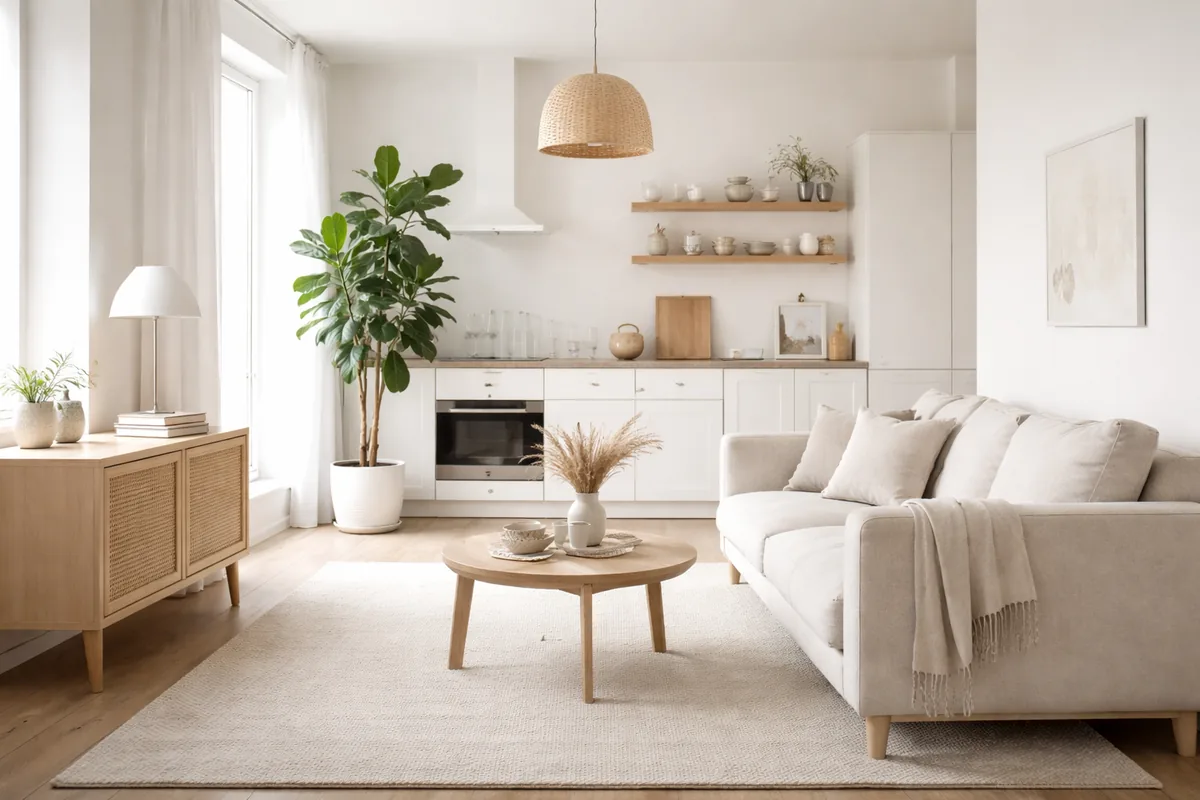
To cultivate a minimalist look, select design elements that are functional yet aesthetically pleasing. Consider a neutral color palette with shades such as whites, grays, and soft pastels, which can make a small space feel larger and more inviting. Add texture through textiles or finishes, like a woolen throw or textured wall art, to give the space warmth without cluttering the visuals.
| Color | Effect |
|---|---|
| White | Enhances light and makes spaces feel spacious |
| Gray | Adds sophistication while remaining neutral |
| Soft pastel | Brings color without overwhelming the space |
Effective decluttering strategies
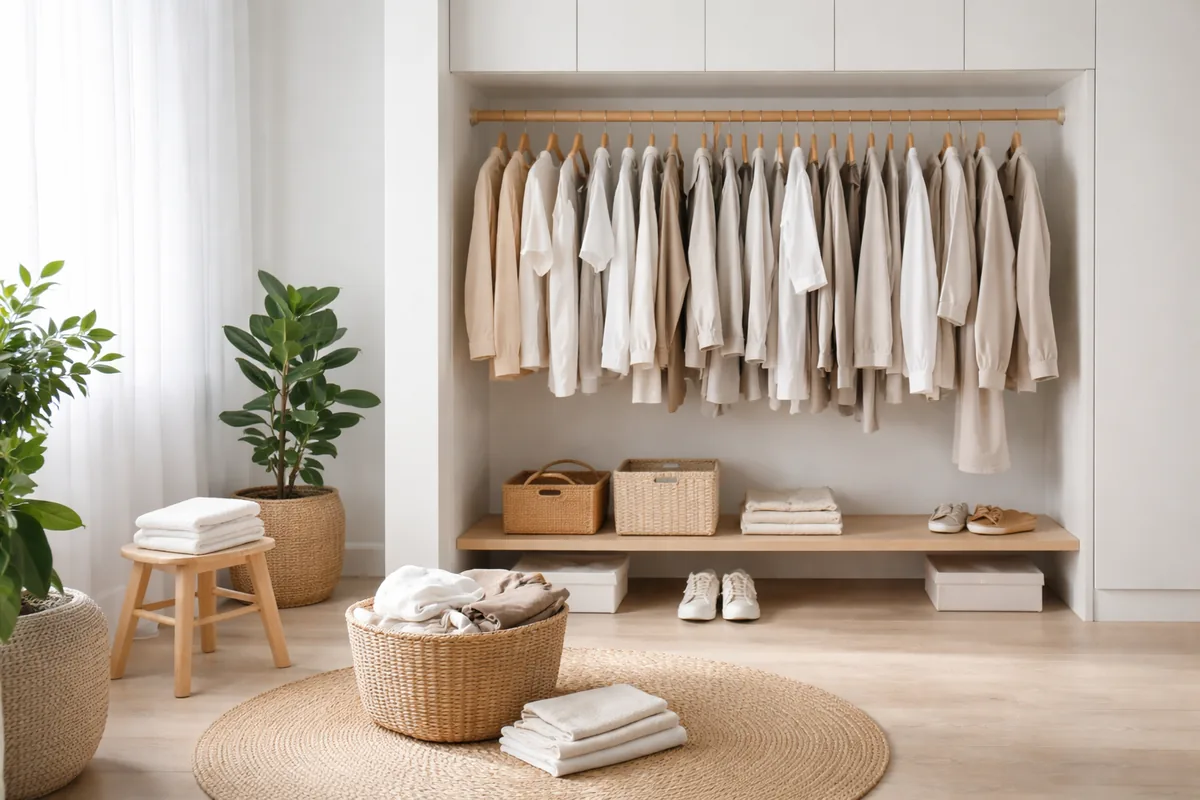
The first step in creating a minimalist apartment is decluttering. To effectively declutter your space, start with a single area at a time, such as a drawer or a shelf. Use the "one in, one out" rule: for every new item you bring in, remove an old one. This not only limits your clutter but also helps you become more intentional about your possessions. Consider storage solutions that are both hidden and stylish, such as decorative baskets or under-bed storage that keeps belongings out of sight while still accessible.
Choosing functional furniture
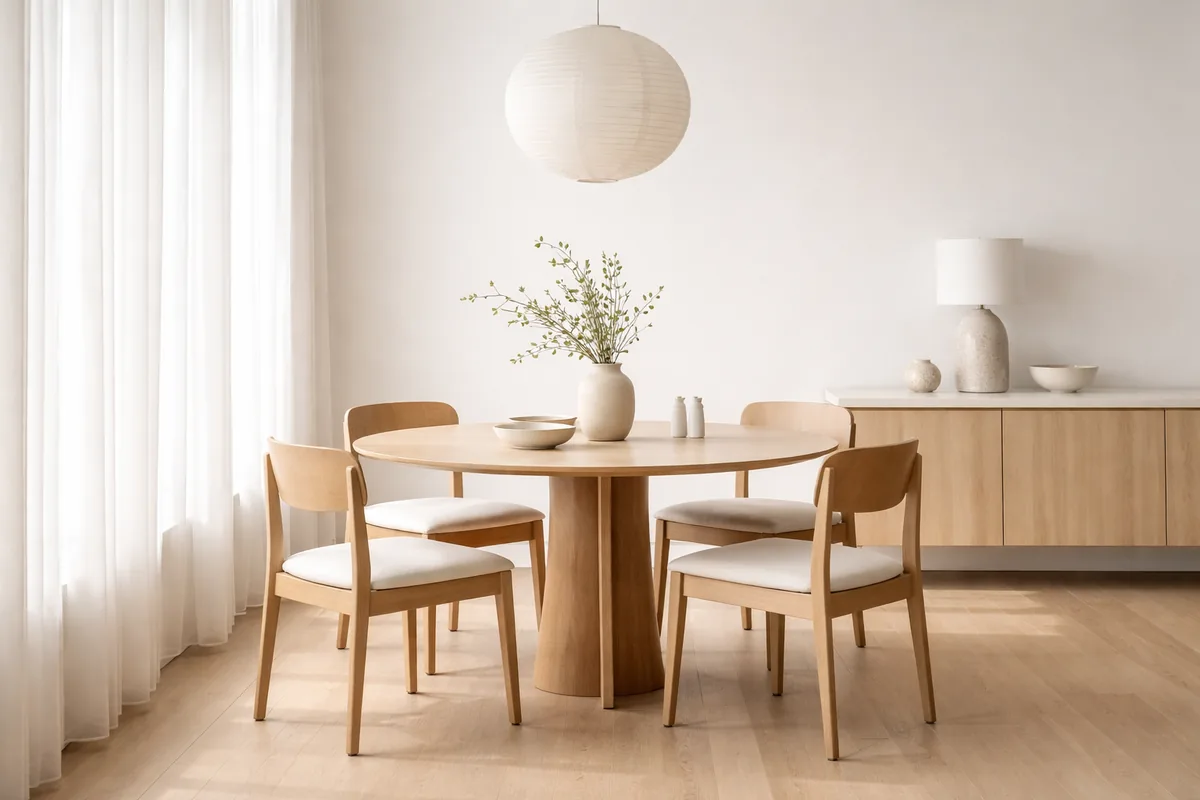
In a small apartment, the choice of furniture is crucial. Opt for multi-functional pieces that serve several purposes. A sofa bed can transform a living room into a guest room, while a coffee table with storage can reduce clutter by holding magazines and remotes. Additionally, consider furniture that can be easily moved or rearranged, allowing for flexibility based on your needs. A small, extendable dining table, for instance, can accommodate more guests without taking up permanent space.
Leveraging vertical space
In small apartments, utilizing vertical space efficiently can enhance the feeling of openness. Bookshelves that reach the ceiling draw the eye upward, making the room appear taller. Wall-mounted shelving can display decorative items without sacrificing floor space. Moreover, hanging plants instead of placing them on tabletop surfaces can add greenery while keeping the area open and airy. When considering layouts, remember to leave clear pathways to maximize flow and functionality.
Lighting considerations for a minimalist design
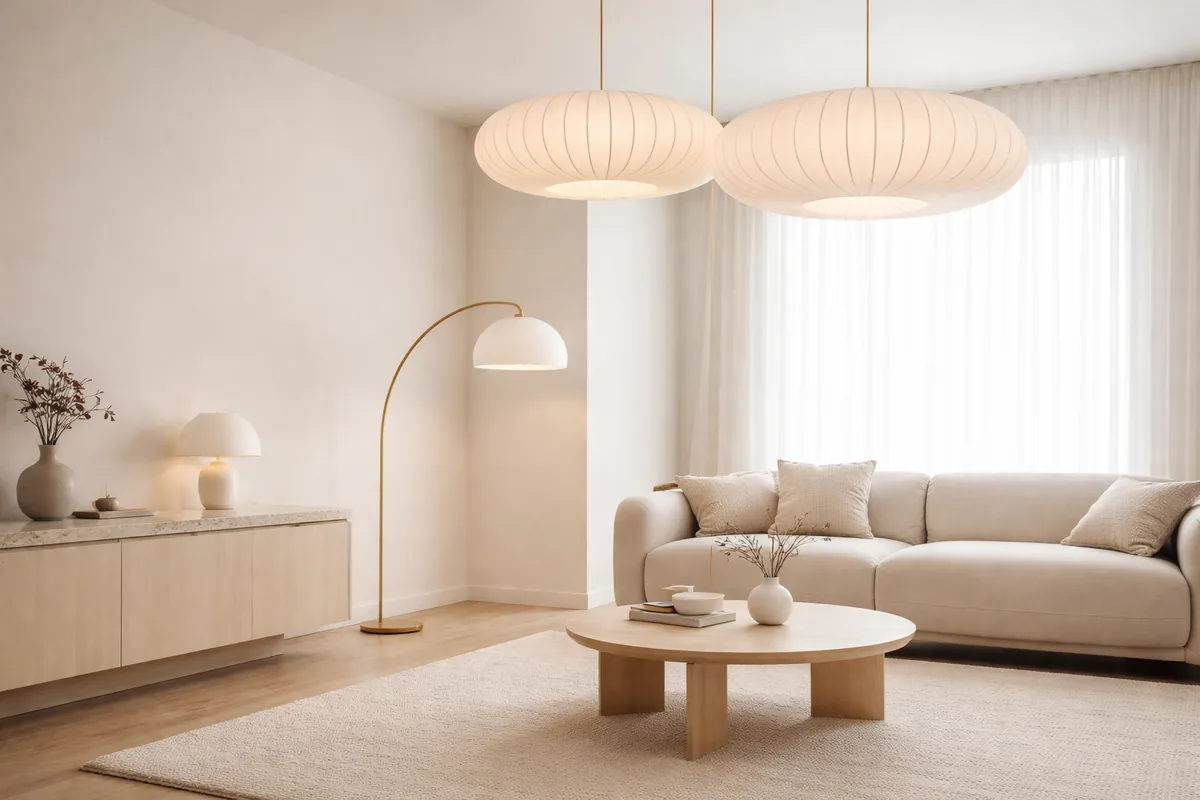
Good lighting is essential in creating a minimalist atmosphere. Natural light should be maximized; use sheer curtains or blinds that can be drawn back completely to allow sunlight in. Where natural light is scarce, complement it with layered lighting sources—like recessed lights, floor lamps, and wall sconces—to add warmth. Avoid heavy, ornate light fixtures that can make a room feel cluttered. Instead, lean towards simple, clean designs that blend seamlessly with the overall decor.
Creating focal points
In minimalist design, creating a focal point helps draw attention without overwhelming the senses. This can be a piece of art, a striking piece of furniture, or a statement light fixture. Each space can incorporate one or a few elements that stand out, like a large canvas or an interesting sculpture. Position your focal point thoughtfully, ensuring that it doesn't compete with other elements but rather enhances the overall aesthetic of the room.
Personal touches without clutter
While minimalism encourages keeping clutter at bay, incorporating personal touches is essential for creating a warm environment. Consider displaying a few cherished photographs in simple frames, or use a small bowl for keys and essential items. Just ensure that these additions do not compromise the open feel of the space. Balance is key: choose items that bring you joy and create a personal narrative without overcrowding your limited space.
Implementing minimalist organization systems
Organization is vital in maintaining a minimalist home. Use labeled storage bins to categorize belongings, which not only keeps items orderly but also streamlines the process of finding things. Establish a routine for tidying up each week so that your apartment remains clutter-free. Apps or digital tools can help you keep track of what you have stored, making it easy to maintain an organized space in your small apartment.
Frequently asked questions
How do I start decluttering a small apartment?
Begin by tackling one room at a time. Sort items into categories: keep, donate, and discard. Focus on keeping only those items that you actively use or cherish. It helps to have bins or boxes ready for sorting.
What should I consider when buying furniture for a small space?
Choose multifunctional furniture and avoid bulky items. Look for furniture that can be easily moved or rearranged. Also, consider lightweight materials and pieces that can serve dual purposes, like a folding table or an ottoman with storage.
How can I make my small apartment feel bigger?
Maximize natural light with sheer curtains, use mirrors to create the illusion of space, and embrace a lighter color palette. Keep pathways clear to enhance flow and create a sense of openness in your layout.
How often should I declutter my apartment?
Aim to declutter every few months or whenever you notice items accumulating. A consistent schedule helps maintain the minimalist approach and prevents clutter from reappearing.
Are there any specific décor styles that complement minimalism?
Scandinavian and industrial design styles often pair well with minimalism due to their emphasis on function and clean lines. Both encourage a simple aesthetic while remaining stylish and inviting.