To create a minimalist dining area, focus on essential items that emphasize simplicity and functionality. Prioritize a clean dining table, a few well-chosen chairs, minimalistic dinnerware, and subtle decor pieces to establish an inviting space.
Choosing the right dining table
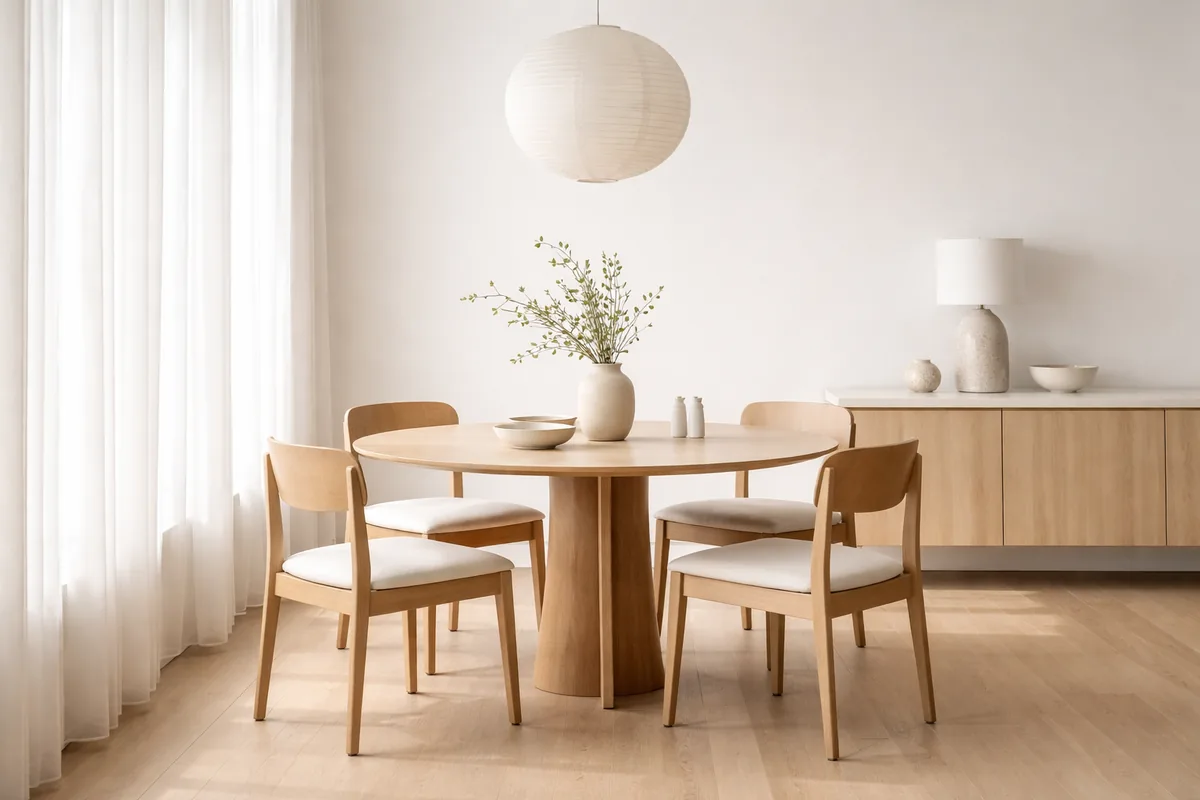
The dining table is central to a minimalist dining area. Opt for a design that is both functional and aesthetic. Look for tables made from materials like solid wood or metal to maintain a clean silhouette. A round table can enhance flow in smaller spaces, while a rectangular table is ideal for larger dining areas. Make sure to choose a size that fits comfortably without overcrowding the room.
Essential seating options
Consider seating that complements the table and maintains a minimalist aesthetic. Simple, unembellished chairs are your best bet. Think about materials that offer durability without sacrificing style, such as molded plastic or wood. If space permits, a bench can also invite a casual, communal vibe while maximizing seating capacity without taking up too much visual space.
Minimalistic dinnerware
Your choice of dinnerware impacts the overall aesthetic of your dining area. Select a cohesive set of dishes that feature muted colors or neutral tones. White dinnerware tends to be a popular choice, as it can seamlessly blend in and highlight the food presentation. Avoid patterned plates to maintain visual simplicity, and consider stackable options to save space and reduce clutter.
Subtle yet effective decor
Minimalist decor items should serve both functional and aesthetic purposes. Incorporate a simple centerpiece, such as a single vase with fresh flowers or a minimalistic fruit bowl, to add a touch of warmth without overwhelming the space. In addition, choose one or two pieces of artwork or wall decor that resonates with the minimalist theme; for instance, a single framed print or a color-blocked canvas that isn’t overly busy will keep the atmosphere relaxed and inviting.
Lighting considerations
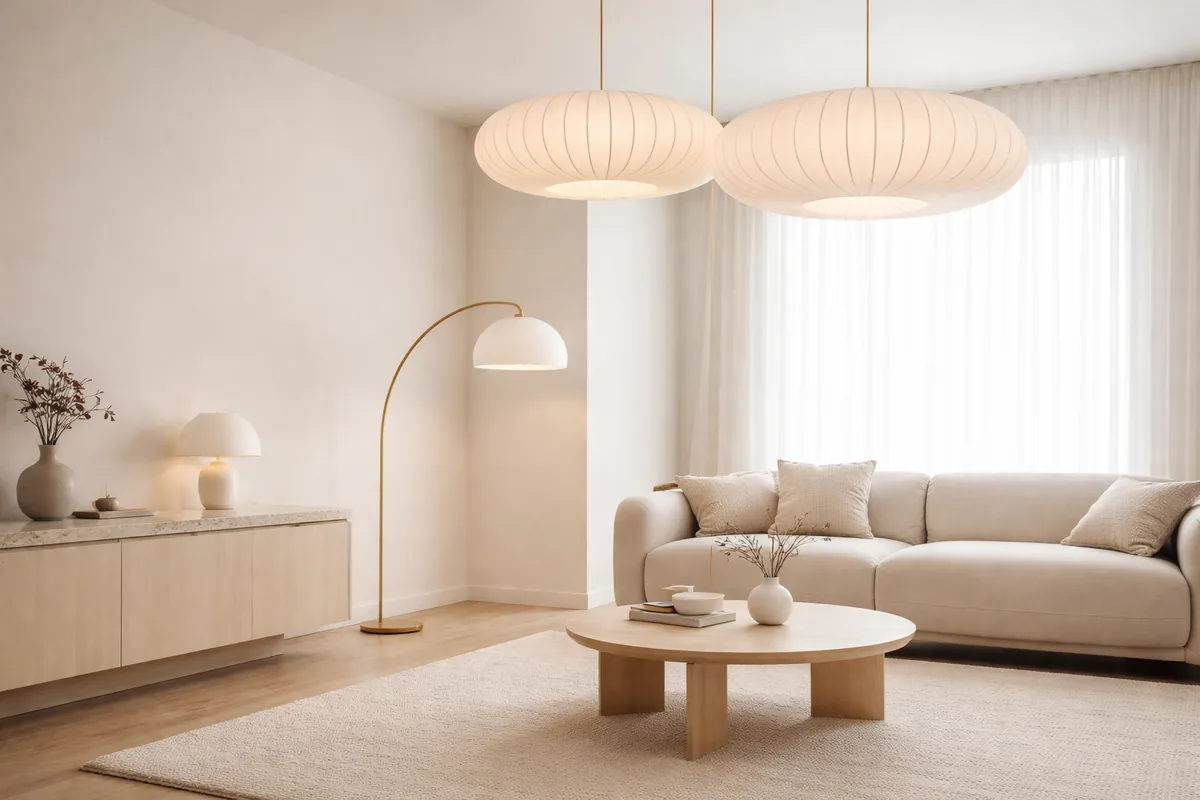
Lighting plays a crucial role in the ambiance of a minimalist dining area. Choose light fixtures that are sleek and unobtrusive. Pendant lights installed above the dining table can provide focus while maintaining a clean look. Consider adjustable lighting options to set the mood for different occasions. Warm LED bulbs often work well in creating a cozy atmosphere that encourages relaxation during meals.
Creating a functional layout
The layout of the dining area should facilitate ease of movement and access. Ensure that the space around the table is ample enough to allow guests to pull out chairs and move freely. Ideally, the dining area should flow seamlessly into adjacent spaces like the kitchen or living room while maintaining a minimalist approach to furniture arrangement. Avoid cluttering the area with unnecessary furniture or accessories, as this detracts from the minimalist philosophy.
Incorporating storage solutions
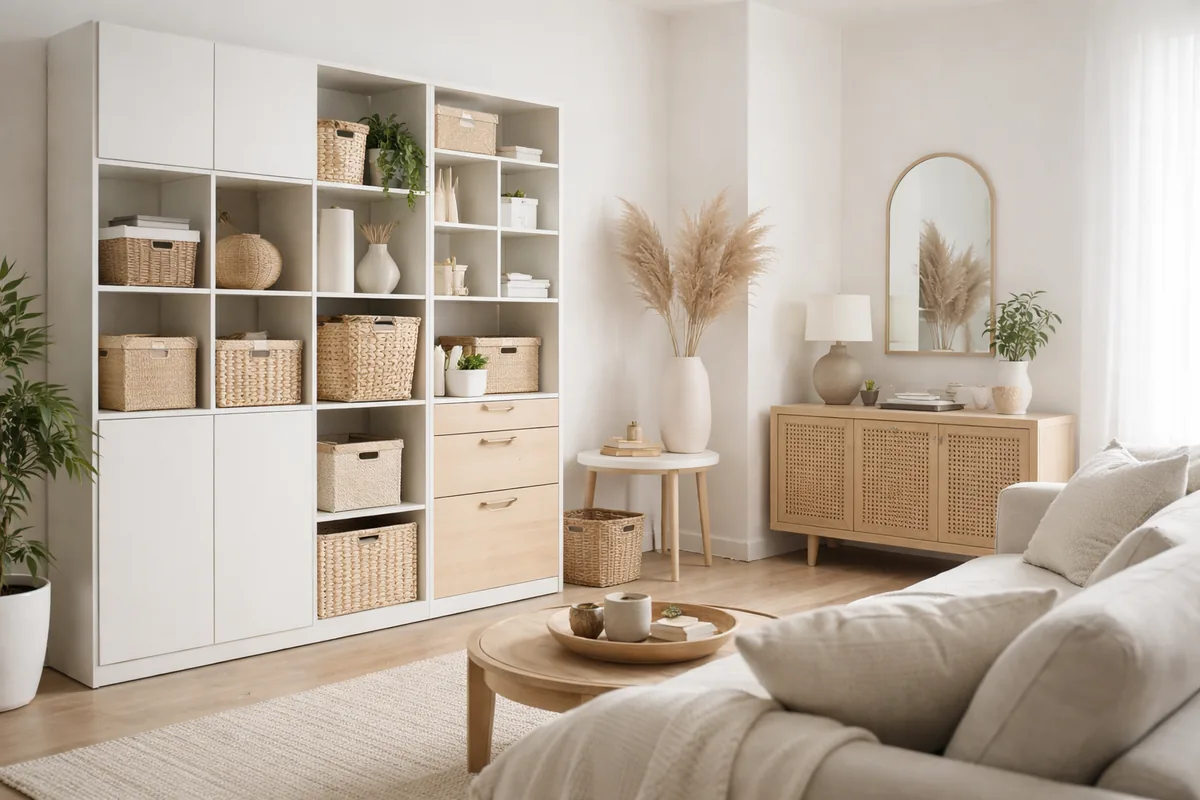
Storage helps keep a minimalist dining area organized and functional. Use a sideboard or a slim console table to store dining essentials such as table linens, serving utensils, and dinnerware. Choose designs that offer clean lines and blend into the decor without drawing too much attention. Utilizing baskets or decorative boxes can also help keep items neatly stored while adding texture to the space.
| Item | Description |
|---|---|
| Dining Table | Central piece, choose simple materials and shapes |
| Chairs/Benches | Minimal, unembellished seating options |
| Dinnerware | Neutral, stackable dishes that enhance food presentation |
| Lighting | Sleek fixtures, warm LED options for ambience |
| Storage | Sideboards or storage solutions that double as decor |
Creating a sensory experience
Consider the sensory experience of your dining area. Soft textiles like placemats or table runners can add warmth to a minimalist setting, while natural elements like wood or stone can create a grounded, organic feel. Ensuring that these elements are consistently understated will retain the focus on simplicity and calm.
Maintaining simplicity
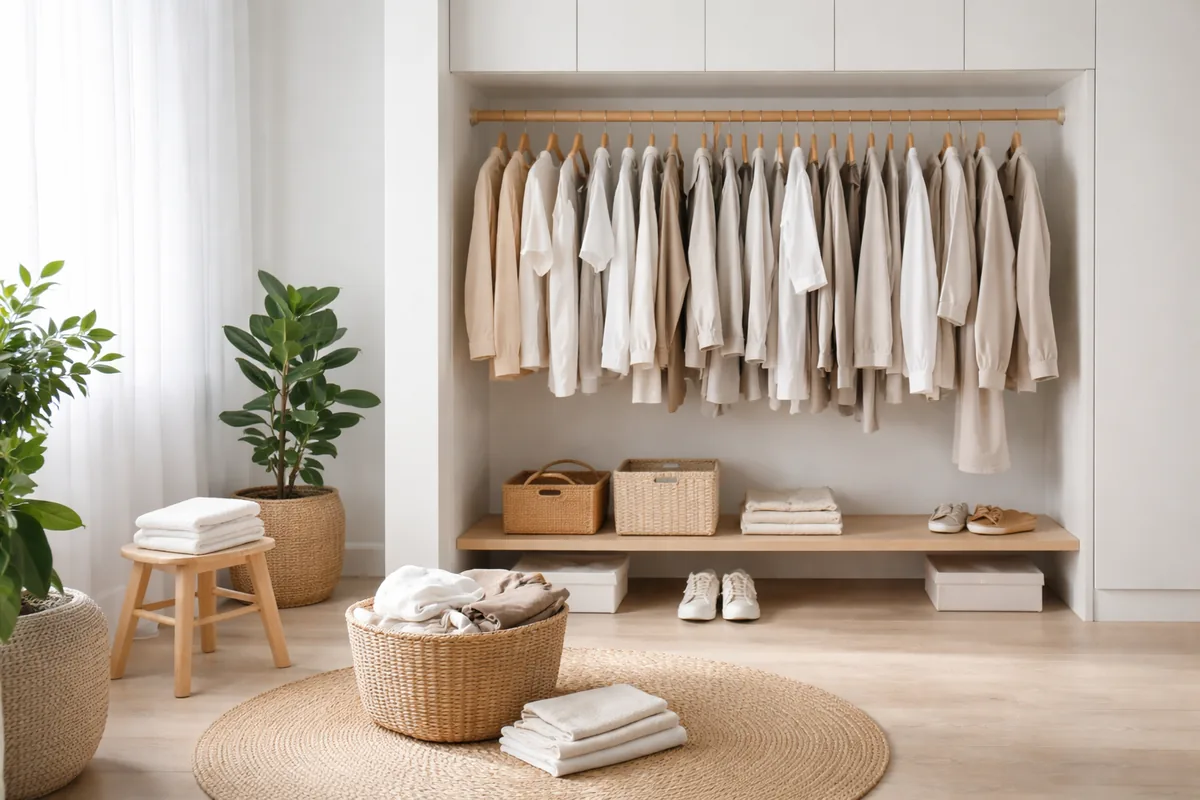
Perhaps the most crucial aspect of a minimalist dining area is the ongoing commitment to simplicity. Regularly assess the items within the space; remove any decor or furniture that does not serve a clear purpose. Embrace the beauty of empty space, and remember that less truly can be more when it comes to creating a calming, functional environment.
FAQ
What are the must-have items for a minimalist dining area?
A minimalist dining area requires a dining table, simple seating, muted dinnerware, subtle decor, and functional storage solutions.
How can I maintain a minimal feel in my dining space?
To maintain a minimal feel, regularly declutter and remove items that don’t serve an essential purpose. Focus on quality over quantity.
What types of chairs work best in minimalist design?
Chairs with clean lines and neutral tones work best. Consider materials such as wood or molded plastic that add durability without sacrificing style.
Is lighting important in a minimalist dining area?
Yes, lighting is crucial as it sets the mood. Choose sleek fixtures that complement the minimalist aesthetic and offer warmth.
How can I make my dining area feel inviting while keeping it minimal?
Use a simple centerpiece and choose warm lighting to create an inviting atmosphere. Incorporate textures and gentle colors like earth tones or whites.